

Moving to Los Angeles From Out of State: What to Know Before You Buy
Relocating to Los Angeles from another state is one of those decisions that feels equal parts exciting and overwhelming. The city draws people for obvious reasons: year-round sunshine, a booming job market across entertainment, tech, healthcare, and finance, and a lifestyle that genuinely exists rather than just appearing in movies. But buying a home here as an out-of-state buyer is a different experience than buying locally, and walking in without preparation can cost you real money and real time.
This guide is written for people who are seriously considering a move and want to understand what the buying process actually looks like in Los Angeles before they start making offers from a hotel room.
Understand the Market Before You Understand Anything Else
Los Angeles has one of the most competitive residential real estate markets in the country. Inventory tends to be limited relative to demand, and desirable homes at almost every price point can attract multiple offers within days of listing. That pace can feel shocking if you're coming from a market where homes sit for weeks, and negotiations are relaxed.
The first thing to absorb is that the Los Angeles market rewards buyers who show up prepared. Pre-approval is not a formality here. It's often the difference between being taken seriously and being passed over. Sellers and their agents look at pre-approval as a signal that you're ready to move, not still figuring things out. If you're buying from out of state, that signal matters even more because sellers are already wondering whether a buyer who isn't local will complicate the process.
Getting your financing in order before you start touring homes is not just a practical step. It shapes your entire experience. You'll know exactly what you can spend, what your payment looks like at different price points, and you won't be scrambling when a home you love suddenly goes into escrow. The mortgage pre-approval process is worth starting earlier than feels necessary.
California Has Its Own Rules, and Some of Them Will Surprise You
Most states have their own real estate laws and customs, and California is genuinely different from most of them. A few things worth knowing before you start:
California uses a escrow-based closing process, which means a neutral third party (the escrow company) handles the money and paperwork while all conditions are met. This is different from some states that use attorneys to close transactions. The process is efficient, but it does move on a defined timeline, and contingencies have firm deadlines.
Proposition 13 limits how much your property taxes can increase year over year, which is good news for long-term ownership. But when you purchase a home, the property is reassessed at its new sale price. If you're buying a home that has been owned by the same family for decades, your property taxes will likely be meaningfully higher than what the seller paid. Budget for the reassessed amount, not the prior owner's tax bill.
California also requires specific disclosures that sellers must provide, covering everything from natural hazard zones to past material defects. Out-of-state buyers are sometimes surprised by the volume of disclosure documents. Don't let the stack intimidate you. A good buyer's agent will walk you through what actually matters and what is standard language.
Transfer taxes, title insurance, and escrow fees are also part of the closing cost picture in Los Angeles. Total closing costs for buyers typically run between 2 and 3 percent of the purchase price, sometimes higher depending on the transaction. On a home priced at $1.2 million, that's $24,000 to $36,000 on top of your down payment, so build that into your overall budget early.
Remote Buying Is Possible, but It Requires a Different Approach
Most out-of-state buyers ask the same question: do I have to be physically present to buy a home in Los Angeles? The short answer is that you don't have to be there for every step, but you should plan at least one trip to tour homes seriously before making an offer.
Video walkthroughs and virtual tours have improved significantly, but they compress space in ways that can be misleading. A room that looks generous on a phone screen may feel cramped in person. The light, the street noise, the way a home feels at different times of day, these things matter and they don't translate through a screen.
What tends to work well for remote buyers is a focused trip of a few days where you tour homes with your agent, narrow down your preferences, and get a genuine feel for the areas you're considering. Then, if a home you've
seen comes back on the market or a new one fits your criteria, you're already informed enough to move quickly.
Remote buyers also need to think carefully about what they're willing to waive and what they aren't. In a competitive offer situation, some buyers choose to waive certain contingencies to strengthen their position. That's a calculated risk even for local buyers. For someone buying from out of state who can't easily pop over to verify something in person, understanding exactly what each contingency protects you from is important before you decide what to do with it.
Work With Someone Who Knows Los Angeles Specifically
This sounds obvious, but it matters more than most out-of-state buyers initially realize. Real estate is local in a way that general expertise is not captured. Pricing patterns, what's considered a fair offer in the current climate, which types of homes tend to appraise cleanly, how to structure an offer that a seller in this market will find compelling, all that comes from experience working in Los Angeles specifically.
If you're relocating for work and your employer offers relocation assistance, be thoughtful about the agent that comes attached to that program. You're not obligated to use them, and the agent who gets referred through a relocation network isn't always the one best positioned to serve your interests in a nuanced market.
The right agent for an out-of-state buyer is someone who communicates clearly across time zones, understands your situation isn't the same as a local buyer's, and can give you honest guidance about what you're seeing in listings rather than just showing you everything that fits a search filter. If you're exploring buyer representation in Los Angeles, it's worth understanding what that relationship actually looks like before you commit to working with anyone.
Think Carefully About Property Type and Long-Term Fit
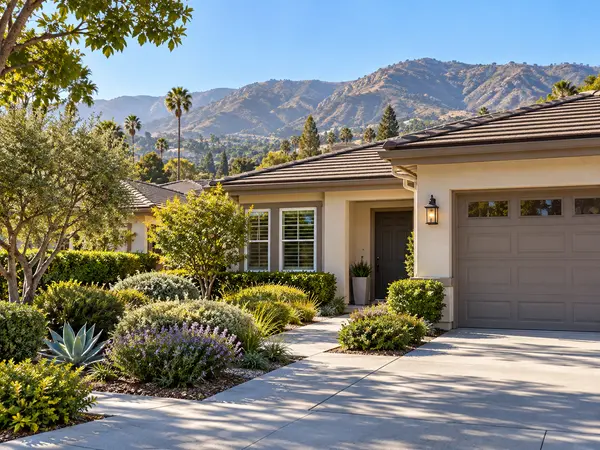
Los Angeles offers a wider range of housing types than many buyers initially pictured. Single-family homes are abundant across different architectural styles, from Spanish-style properties with tiled roofs and arched doorways to Ranch-style homes with open layouts and large lots, to more contemporary designs that reflect the city's ongoing appetite for modern living. There are also condos, townhomes, and high-rise units that appeal to buyers who want lower-maintenance ownership or a more urban feel.
For someone relocating from out of state, it's worth thinking honestly about what kind of home fits your actual lifestyle rather than the lifestyle you associate with Los Angeles from the outside. If you work long hours and don't want to maintain a yard, a condo or townhome may serve you better than a detached home with a pool. If you're moving with a family and want space to spread out, a Ranch-style home with a proper yard might justify the additional maintenance demands.
Second-home buyers and investors should also think about how the property functions financially over time, including how rents and occupancy patterns tend to move in a city where demand stays relatively consistent year over year.
Give Yourself a Real Timeline
Out-of-state buyers often underestimate how long the process takes from the first serious home search to having keys in hand. In a competitive market like Los Angeles, it's reasonable to plan for two to four months from the point of active searching to closing, sometimes longer depending on inventory and how quickly a home that genuinely fits comes available.
Escrow itself typically runs 30 days, though 21-day and 45-day escrows are also common depending on how the offer was structured. Factor in time for inspections, appraisal, and any lender conditions that need to be cleared before closing.
If you have a firm start date for a new job or a lease that's ending, build backward from that date and start your search earlier than feels necessary. Being rushed into a market like this rarely works in your favor.
Moving to Los Angeles from another state is a significant transition, but buyers who do the groundwork tend to find the process far less chaotic than they expected. Understanding the local market conditions, getting your financing dialed in early, finding an agent who genuinely works in your corner, and giving yourself a realistic timeline are the things that actually move the needle. The city has a lot to offer, and for buyers who show up prepared, the process of finding the right home here can be one of the more rewarding parts of the whole move.
Categories
Recent Posts


GET MORE INFORMATION